Where we fly
Keeping Our Neighbours Connected
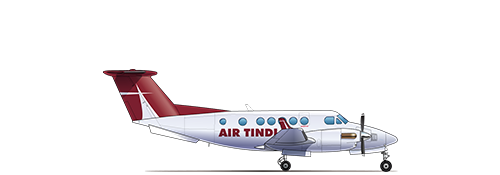
From our base at Yellowknife’s YZF Airport, we provide scheduled daily passenger and freight service to Edmonton, Fort Smith, Fort Chipewyan, Fort Simpson, and Hay River, as well as four other Indigenous communities.
Destinations
Air Tindi proudly connects people to some of the most remarkable destinations across Northern Canada, including communities in the Northwest Territories and Alberta. From the stunning landscapes to the cultural richness, we play a crucial role in facilitating access to these regions and warmly invite you to explore the wonders of the North.
Edmonton, AB
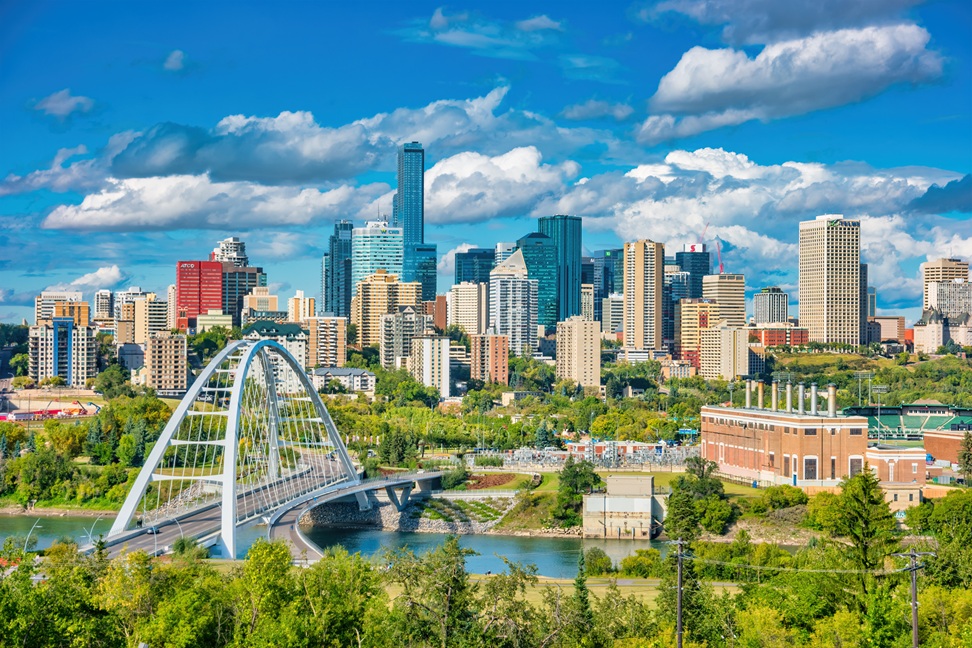
Edmonton, known as the Gateway to the North, connects Yellowknife and the Northwest Territories to the rest of the country. As a key transportation and logistics hub, it supports northern communities while offering a vibrant cultural scene. The city is home to world-class festivals like the Edmonton Fringe and Folk Music Festival, North America’s largest urban parkland, and West Edmonton Mall—one of the largest shopping and entertainment complexes in the world. Blending connectivity, culture, and adventure, Edmonton is both a destination and a lifeline for the North.
Fort Chipewyan, AB
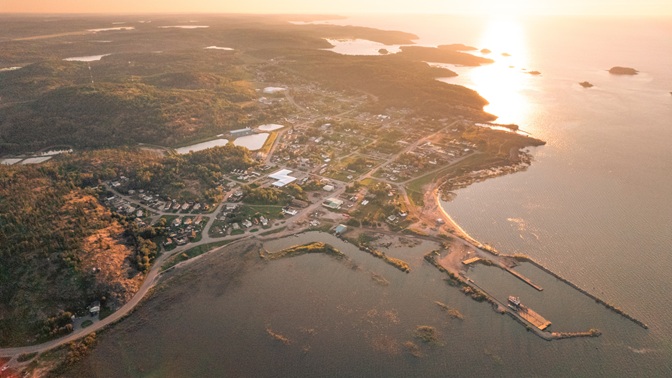
Fort Chipewyan, Alberta, is one of the oldest settlements in the province, rich in Indigenous history and culture. Located on the western shores of Lake Athabasca, it serves as a remote yet vital hub for the region. Known for its breathtaking natural surroundings, the community offers a gateway to Wood Buffalo National Park, home to diverse wildlife and the world’s largest free-roaming bison herd. Accessible primarily by air and winter road, Fort Chipewyan remains a stronghold of tradition, resilience, and northern heritage. More info.
Fort Simpson, NWT - Łíídlı Kųę
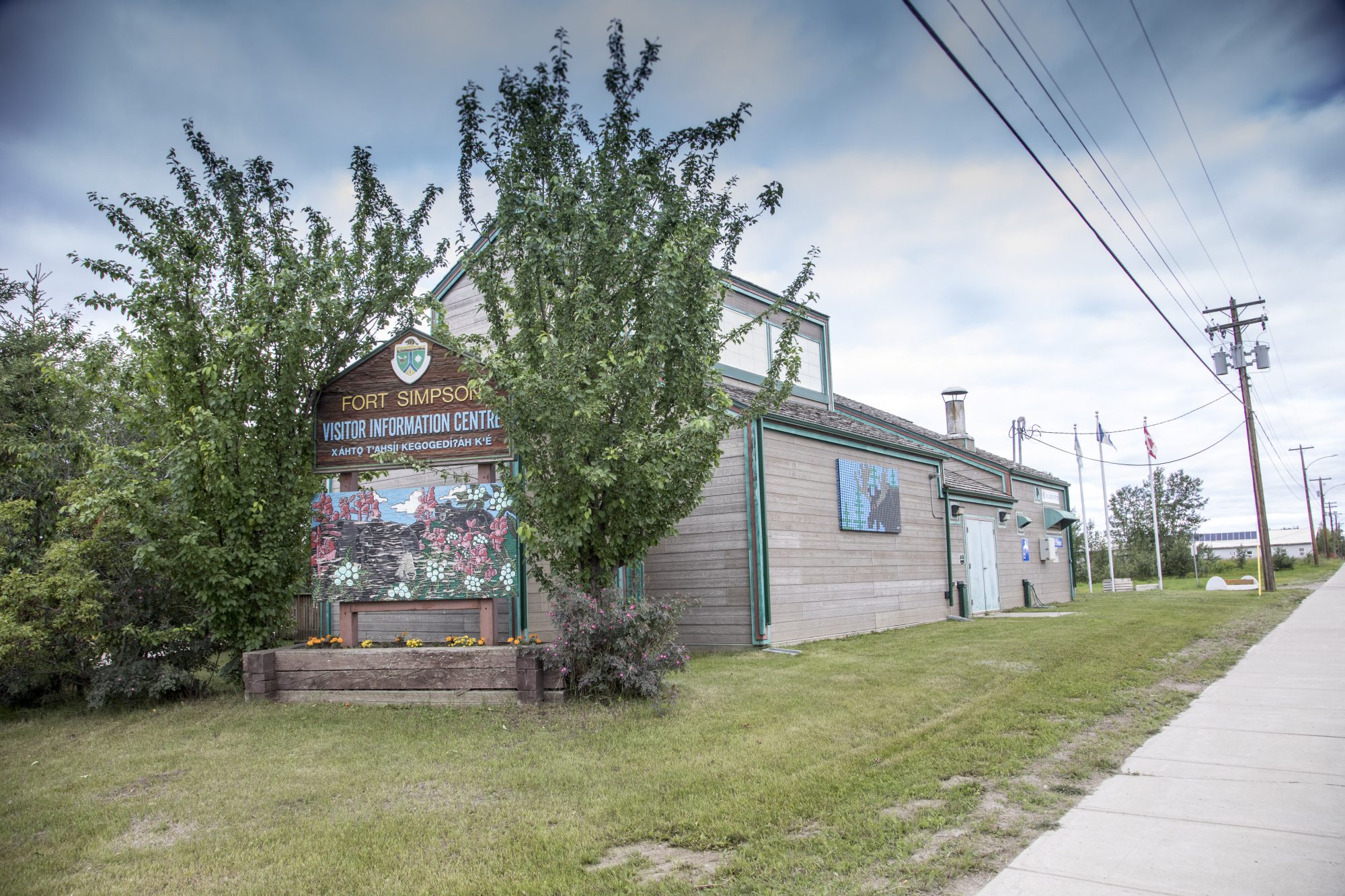
Fort Simpson is the NWT’s oldest community with fur trading roots dating back to 1803. Its First Nations name – Liidlii Kue – refers to its location where the Liard and Mackenzie Rivers meet. This picturesque village of about 2,000 is the gateway to spectacular Nahanni National Park, the adventure destination of a lifetime for trekking and canoeing. More info
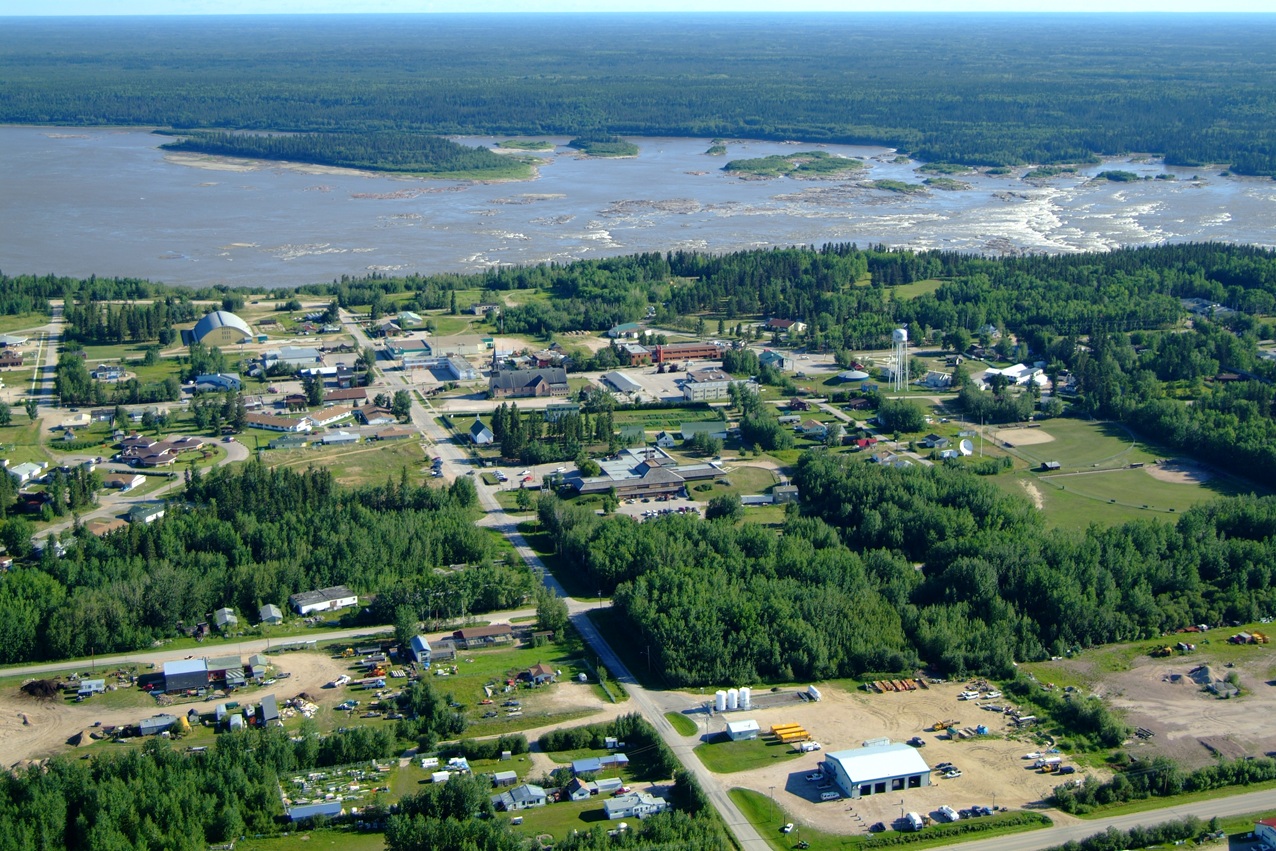
Fort Smith, NWT
Fort Smith, Northwest Territories, is a welcoming community on the banks of the Slave River, known for its rich history and stunning natural landscapes. Once a key transportation hub for northern river travel, it now serves as the gateway to Wood Buffalo National Park, home to the world’s largest free-roaming bison herd and the endangered whooping crane. The town is also famous for its world-class whitewater rapids, attracting paddlers from around the globe. With a strong Indigenous presence and a deep connection to the land, Fort Smith is a vibrant northern community where nature and culture thrive. More info
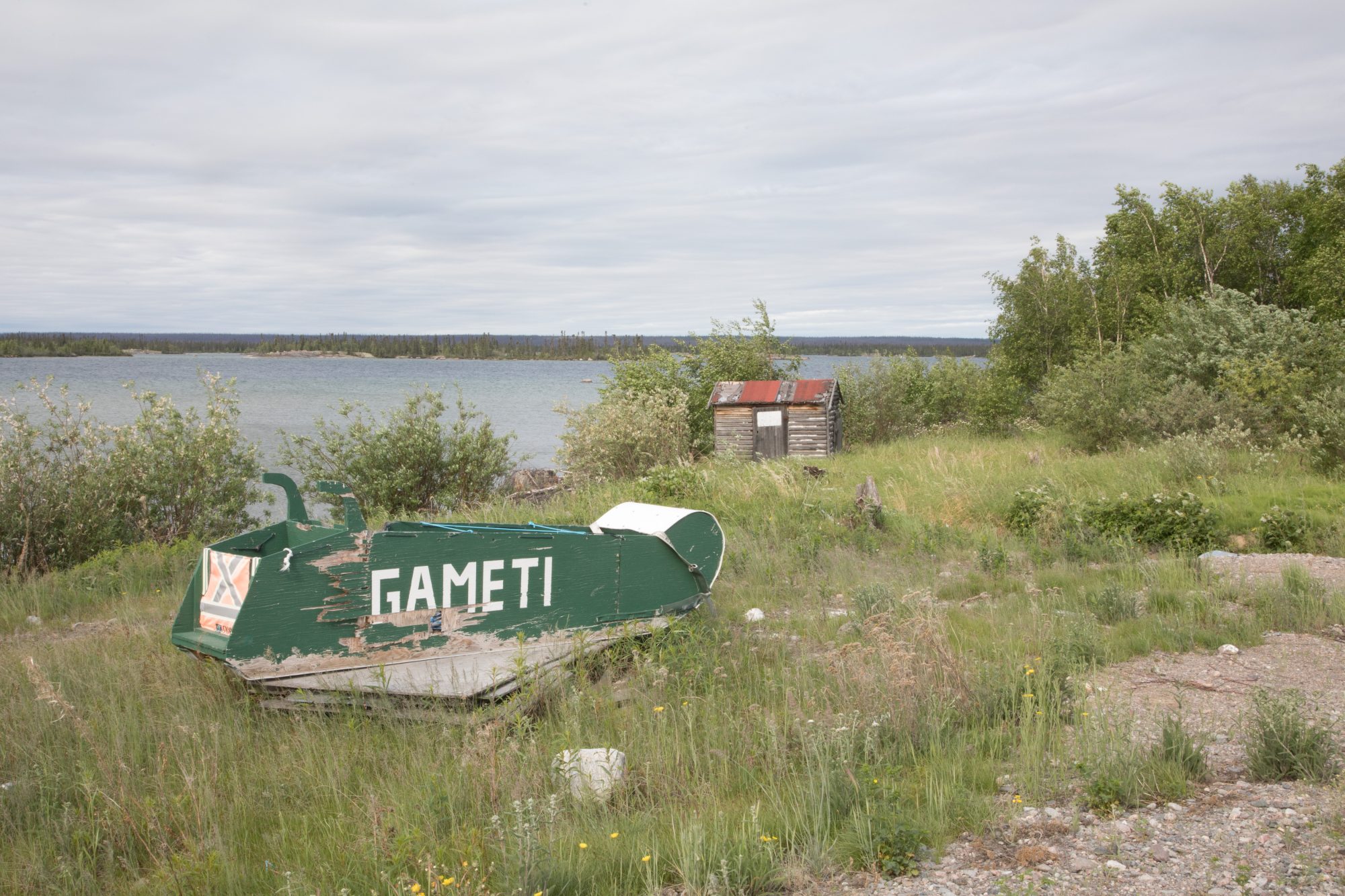
Gamètì, NWT – Rabbit net Place
This sandy point halfway between Great Bear and Great Slave Lakes was a favourite Tłı̨chǫ hunting camp before elders chose it as the site for a new, traditionally-based community. Today, this placid community of about 300 hosts modern amenities including a school, year-round airstrip and power. An ice road connects Gamètì in the winter, otherwise it depends on year round Air Tindi service. More info
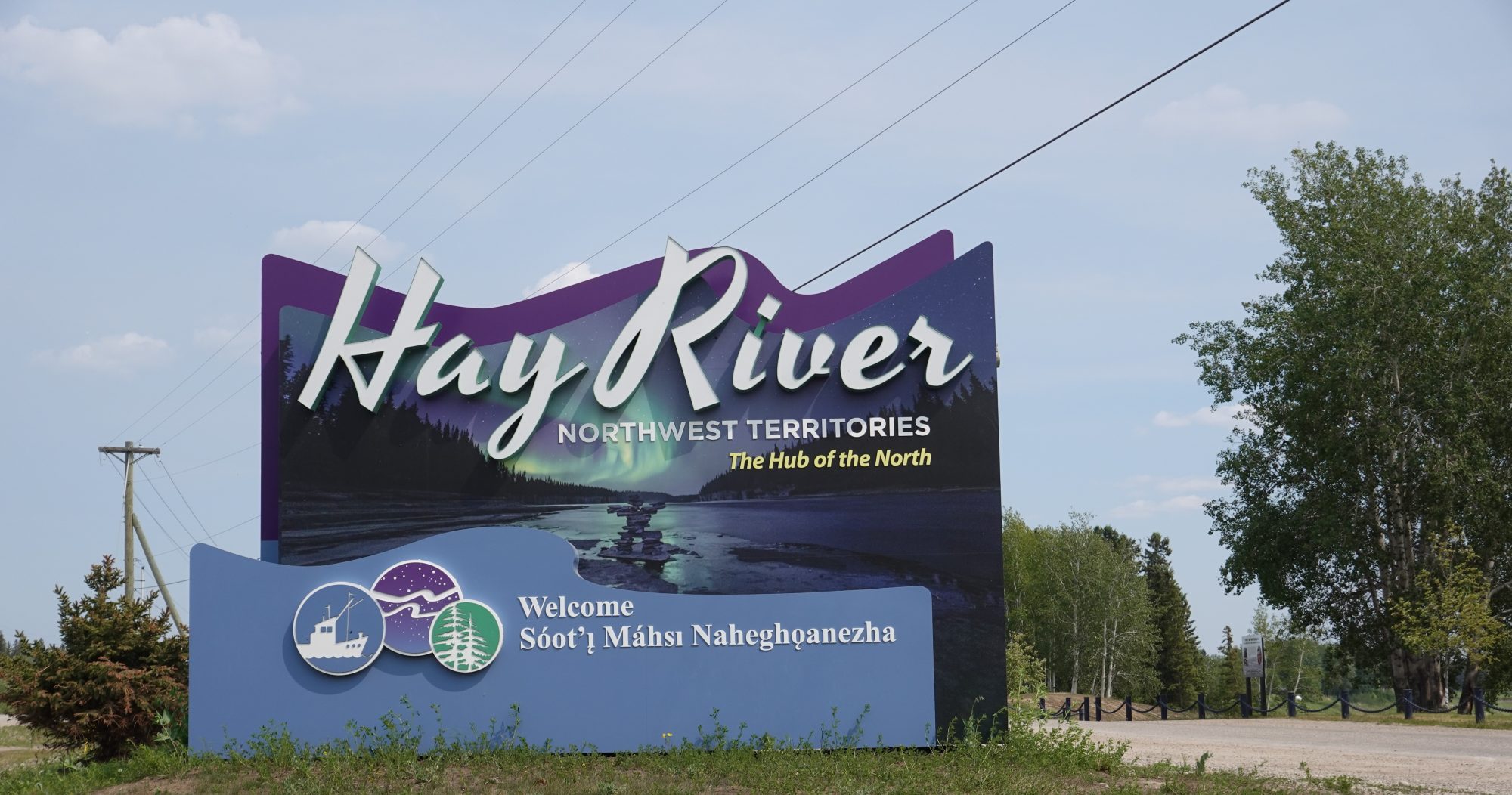
Hay River, NWT
Labelling itself as the Hub of the North, this town on the sandy southern shore of vast Great Slave Lake is indeed where air, rail, road and marine transportation merge. The serene Hay River runs through the community of 3,500, with nearby waterfalls, excellent camping and fishing, and a beautiful 9-hole golf course among its attractions. More info
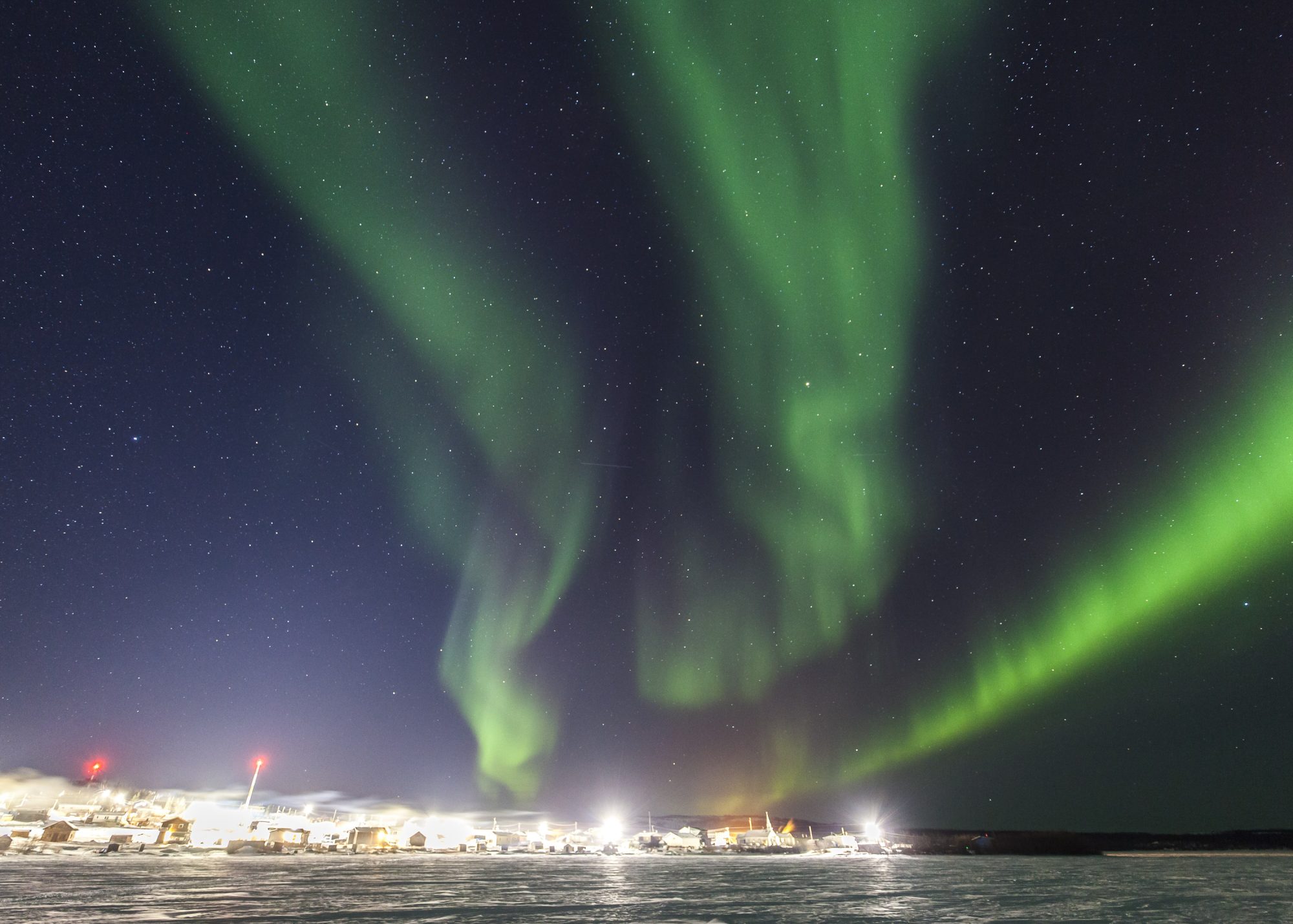
Łutsel K'e, NWT – Place of the Cisco
The breathtaking red cliffs of Great Slave Lake’s East Arm, and the newly-created Thaidene Nene National Park Reserve, are icons of this community of 300 located an hour flight east of Yellowknife. In the Dënesųłiné Chipewyan language, its name means the place of the sardine-sized cisco fish, but the East Arm’s deep cold waters are renowned for trophy lake trout. Neighbouring Frontier Lodge is a modern, all inclusive destination for anglers. More info
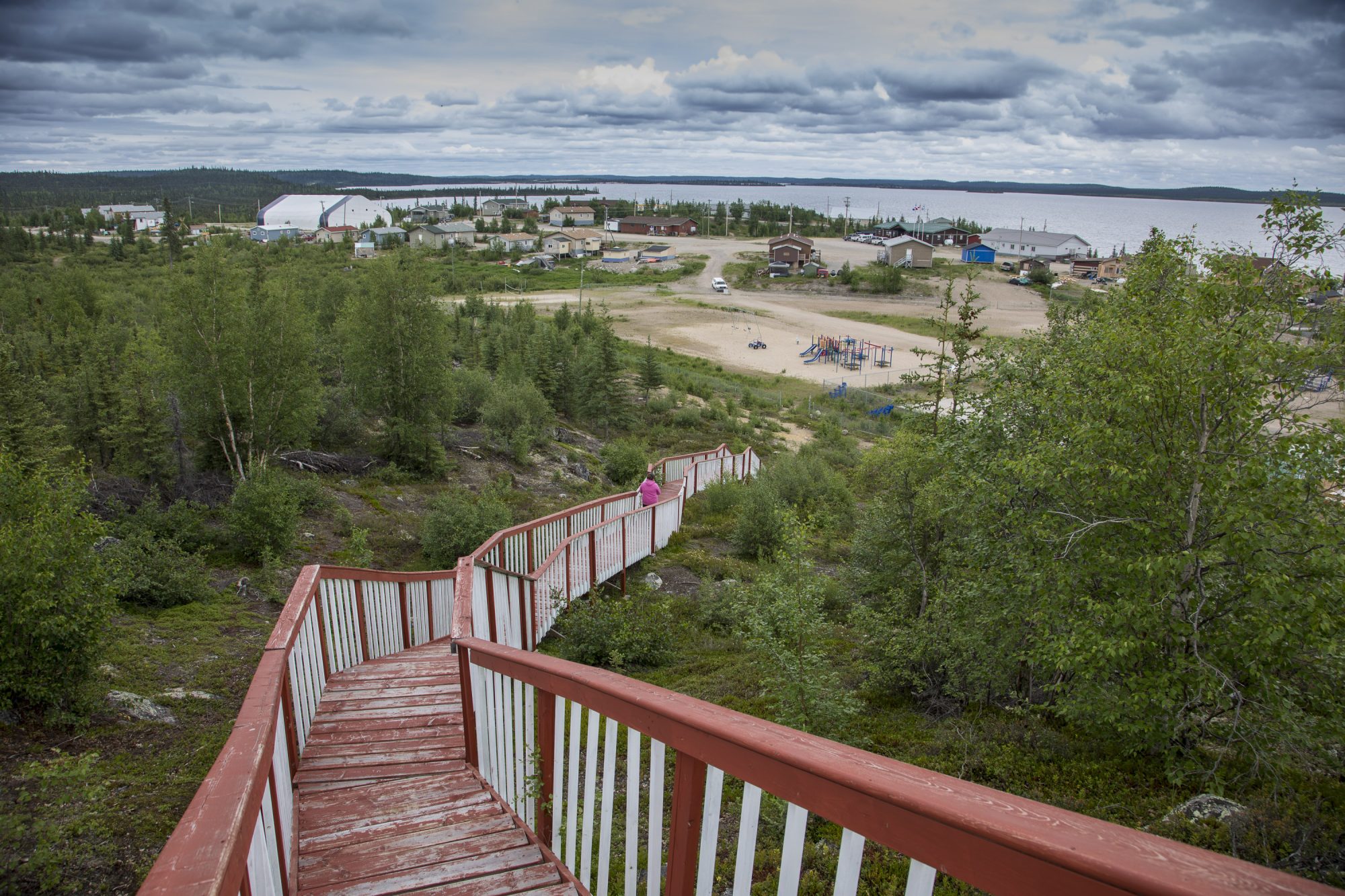
Wekweètì, NWT – Rock Lake
Once a busy winter hunting camp for Tlicho harvesters, families gradually made it their permanent home from the 1960s. Close to the Barrenlands and the nearest community to diamond mines, Wekweètì is nested along the Snare River and hosts a six-hole golf course on sand fairways, hotel and lodge for visitors. More info
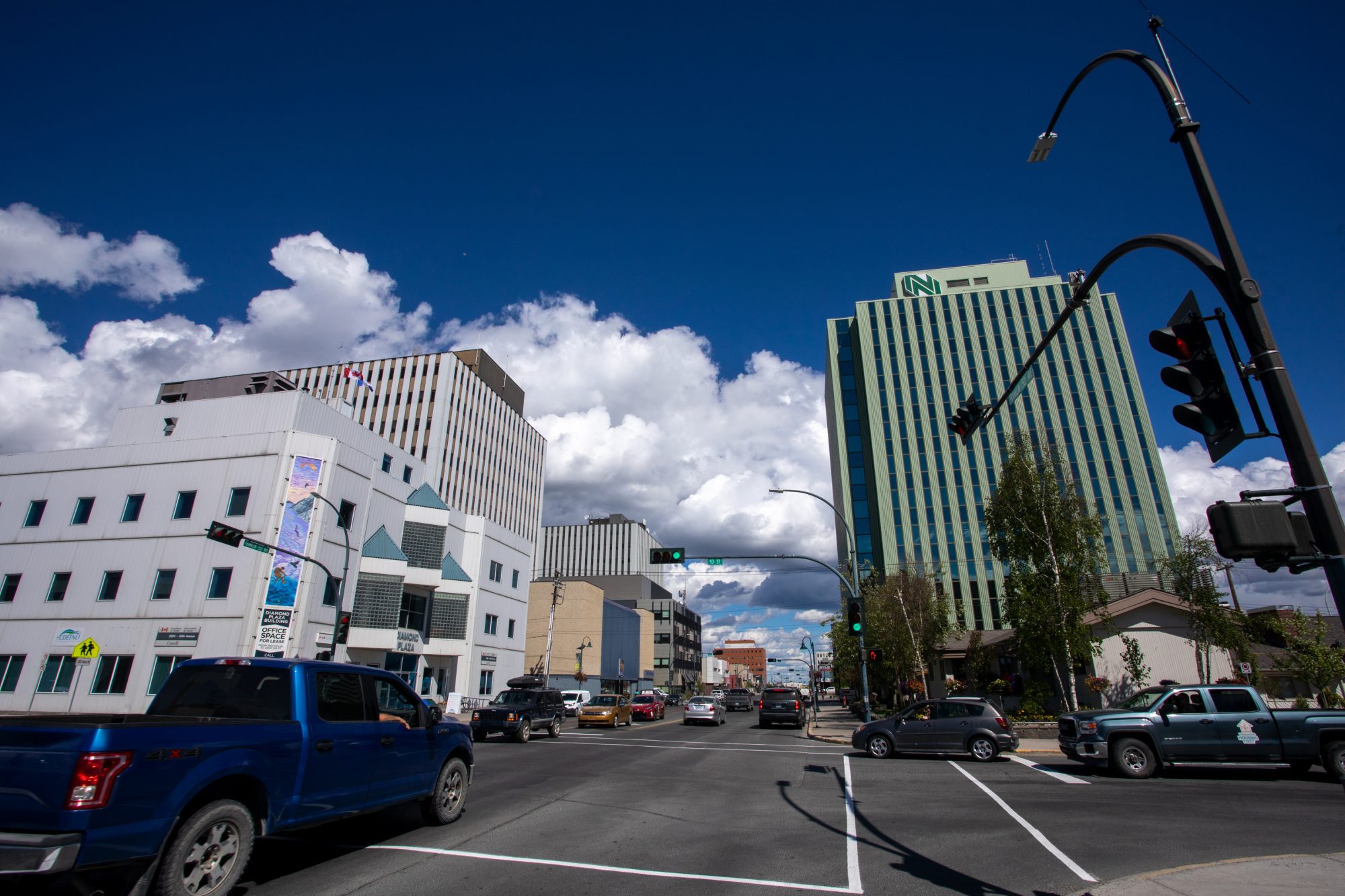
Yellowknife, NWT
Tucked around the Precambrian Shield rocks on the north shore of Great Slave Lake, the city hosts a remarkable range of services, stores, restaurants and recreation opportunities for a city of only 22,000. It is also one of the world’s most sought-after winter destinations for experiencing the magic of the Aurora Borealis, and in summer, for sport fishing and adventure travel across the Arctic. We’re served daily by four Canadian airlines, and Air Tindi’s regional schedule connects you with six other communities in the surrounding region. More info
Ready to fly?
Thank you for considering Air Tindi! We look forward to welcoming you aboard.